Plumbers In CaringbahLicensed · Local · 24/7 1300 381 569
Gas fitting

Gas work and gas
leaks in Caringbah

Appliances connected and certified, leaks found and made safe, and buried lines checked where the ground above them has moved. Compliance certificate on every job.

24/7 gas emergenciesNSW Lic. 368473CCompliance certificate every time
Call 1300 381 569
Licensed Caringbah plumber

Get a gas fitter

Online Now!·--:--

No obligation · Licensed & insured · Fixed price upfront

Buried lines, and ground that does not stay put

Most gas fitting is about what happens above the ground: the appliance, the connection, the test, the certificate. That is the bulk of the work here too.

What is worth adding on this soil is the part nobody sees. A buried gas service is laid on bedding that supports it evenly for its whole length. That support is the point.

When water moves sand out from under a section, and on permeable ground that happens, the pipe is left spanning a void it was never meant to span. The load goes into the joints rather than along the run.

It is not the most common thing we find. It is a real one, it gives no surface warning, and the clue is usually paving above the line that has dropped or cracked. A pressure test settles it without opening anything.

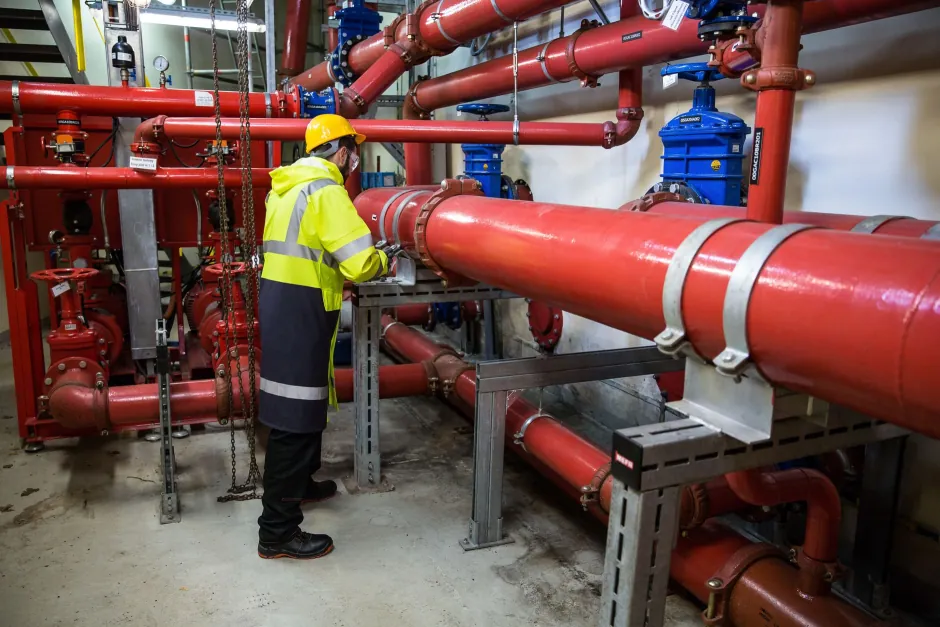
Licensed plumbers at the workshop
  • Compliance certificateIssued on every gas job, always
  • 24/7 emergency responseA gas smell is never a morning job
  • Buried line pressure testingNo excavation required to check it
  • Licensed gas fitterNSW Licence 368473C, fully insured
Service van on its way to a Caringbah job

Smell gas? Get outside first.

No switches, no power points, no phone indoors. Open what you pass on the way out, turn it off at the meter if you safely can, then ring us from outside.

Local gas guide

Gas fitting in Caringbah, above and below ground

If you can smell gas, do this first

Open the house up, get everybody outside, and touch nothing electrical on the way past. Ring from outdoors.

Turn the supply off if you can reach it safely: the meter for natural gas, the cylinder valve for bottled supply.

A licensed gas fitter answers when you ring us, and where the network's emergency crew is the right first call we will say so.

Availability is street by street

Mains gas reaches some streets around here and not others, and it does not follow a pattern anybody can guess from a map.

So the first thing worth establishing is what your property actually has, and a meter on the wall with a service line from the street answers it in one look.

Cylinders standing beside the building is LPG, which is a perfectly good fuel and common enough here to be unremarkable.

A buried service depends on its bedding

Gas lines are laid on material that supports them evenly along the run. That bedding is what stops a rigid pipe carrying stress at any single point.

On sand, water moving through the ground carries fine material away, and a service that loses its bedding is left spanning a void.

A pipe spanning a void is carrying load it was never meant to carry, and that is the specific local risk on this soil.

The surface above is the only clue you get

There is no smell until there is a fault, and nothing visible at ground level from a pipe that has lost its support.

What you can see is subsidence: paving that has begun to dip, a path that rocks, a soft spot in a lawn along the line of a service.

If that appears above a known gas run, it is worth raising rather than watching.

Testing does not mean digging

A pressure test on the line tells you whether it is holding, and it is done at the meter rather than by opening the ground.

So the question of whether a buried service is sound is answerable without excavating anything, which on this soil matters more than usual.

It is a short piece of work and it is worth including on any visit where there is a reason to wonder.

Everything shares one supply

Adding an appliance is a calculation against total demand rather than a connection. The line has a capacity and so does the meter.

The input rating on the appliance plate is the number the calculation runs on, and a photograph of it is enough to start.

Where the sums do not work, appliances starve each other, and a burner that drops off whenever somebody runs a shower is nearly always this.

A new run in sand

Trenching sand is a bigger job than the length suggests, because a trench in sand does not stand up and has to be battered back or shored.

So the route matters more than the metres, and going around an obstacle is frequently cheaper than going under it even though it is further.

A real quote comes from somebody having walked the route rather than from a figure per metre.

Clearances, and the salt

Every outdoor gas appliance has required clearances to combustible material, and a flue terminal has required distances from windows, doors and vents.

Close to the water, the external components of an installation also corrode faster, so the fittings are worth looking at during any visit rather than only the appliance.

Neither is dramatic. Both are things that get missed because nobody is looking.

Why gas work is certified and most plumbing is not

Because the parts that matter are invisible once it is finished. Sizing, pressure testing, clearances, flueing and ventilation all get covered up on the day.

A working appliance tells you the gas got there. It tells you nothing about the diameter of the pipe, whether the line held pressure, or where the flue ends up.

The certificate exists to record exactly those things, which is why it is worth keeping and worth chasing if you never got one.

The certificate is not optional

A Certificate of Compliance is a legal requirement for gas work in NSW, and it records who did the work, that they held a licence, and that it met the standard on the day.

Keep it with the property papers. It is what an insurer asks for after an incident and what a conveyancer asks for at sale.

On a buried run it is also the only record of where the pipe actually went, which matters the next time anybody digs.


What gas fitting costs in Caringbah

Fixed price agreed before we start. These are indicative 2026 ranges. The Certificate of Compliance is included on every gas job and is never charged as an extra.

01

Leak test and make safe $200 – $450

Any hour. Isolated and made safe first, then diagnosed properly.

02

Appliance connection $250 – $550

Cooktop, oven, heater or bayonet onto an existing point, tested and certified.

03

New gas point $450 – $1,200

Priced on the length of the run and what it has to get through.

04

Buried line pressure test $200 – $400

Where the ground above the run has moved. No excavation to carry it out.

05

Certificate of Compliance included

On every gas job we complete. Legally required, and never an add-on here.

How a gas call-out runs.

Step 01
Licensed gas fitter attending a call-out in Caringbah

Made safe before anything else

On any suspected leak the supply is isolated first. Diagnosis comes after the property is safe, never before.

Step 02
Pressure testing a gas line at a Caringbah property

Tested properly

Pressure tested to find whether the line is holding, including buried sections, without opening the ground to do it.

Step 03
Connecting a gas appliance at a Caringbah home

Repaired or connected

The fault repaired or the appliance connected, to the Australian Standards, by a licensed gas fitter.

Step 04
Issuing a gas compliance certificate to a Caringbah customer

Certified and handed over

Tested again on completion and your Certificate of Compliance issued on the spot.

Can you smell gas right now?

Get everyone outside, avoid anything that could spark, and ring us from outdoors. A licensed gas fitter answers at any hour, and we treat it as urgent.

Call 1300 381 569
Licensed Caringbah plumber ready to take your call

Gas fitting questions.

What Caringbah locals ask us before booking a plumber.

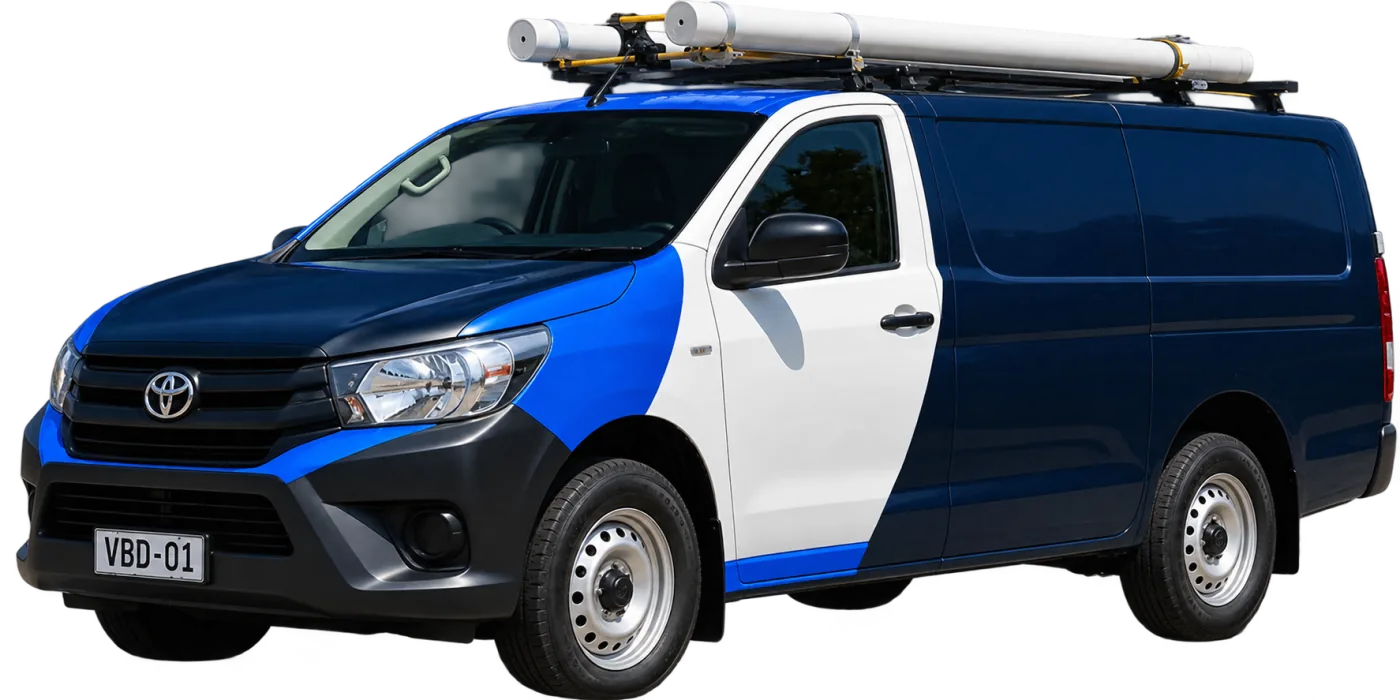
Ask us yours Licensed plumbing van covering Caringbah and the surrounding suburbs
I can smell gas. What should I do right now?

Stop reading and act. Do not touch a light switch, a power point or anything else that could spark, and do not use a phone inside the building. Open doors and windows on your way out, turn the gas off at the meter if you can reach it safely, get everyone outside, and ring from outdoors. We answer 24 hours. A gas smell is the one plumbing problem where waiting until morning is never the right call.

Does ground movement really affect a gas line?

It can, and on this soil it is worth knowing about. A buried service is laid on bedding that supports it evenly along its length. When water moves sand out from beneath a section, that support disappears and the pipe is left spanning a void. The stress concentrates at the joints and fittings rather than spreading along the run. It is not a common cause of failure, but it is a real one here, and it is invisible from the surface.

What would make you check a buried line?

A few things. Paving or a path above the run that has dropped or cracked, because that says the ground under it has lost volume. Any recent excavation nearby. A leak that was repaired in the area, since the water that escaped moved sand while it was running. And obviously any smell at all near the run. A pressure test on the line settles it either way and does not require digging anything up.

Can you connect my new cooktop or heater?

Yes, and it must legally be done by a licensed gas fitter. We connect cooktops, ovens, heaters, bayonets and outdoor points, test the work, and issue a Certificate of Compliance on completion. Where the appliance needs more gas than the existing line will deliver we say so before installing rather than after, because an undersized run shows up as an appliance that never quite performs and nobody can explain why.

How do I know if gas is even available at my place?

Some streets around here have mains gas and some do not, and it does not always follow the pattern you would expect from the neighbouring street. We check availability before you commit to buying a gas appliance, which is a short job and saves an expensive mistake. If there is no mains gas, LPG is an option and a heat pump is usually the better one for hot water.

Do I get paperwork?

Always, on every gas job, without being asked. A Certificate of Compliance is a legal requirement for gas work in NSW and it is your evidence that the installation was done by someone licensed and tested afterwards. Keep it. Insurers ask for it, and so does anyone buying the house. If a gas fitter does not hand you one, that tells you something important about the work.

What does gas work cost in Caringbah?

A leak test and make-safe runs $200 to $450. Connecting an appliance to an existing point is $250 to $550. A new gas point within the property is $450 to $1,200 depending on the run and what it has to pass through. A pressure test on a buried line is $200 to $400. The compliance certificate is included on every gas job we complete, never an extra.

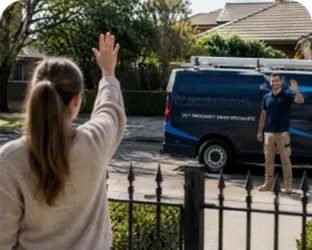
Licensed Caringbah plumber arriving with his tools

Get the gas work done in Caringbah

Tell us what the appliance is, or if it is a suspected leak, whether anyone is still inside. If you can smell gas, ring rather than filling in a form.

Fixed price agreed first, tested on completion, and a Certificate of Compliance in your hand before we leave.

1300 381 56924/7 emergency line
[email protected]Non-urgent enquiries
Servicing Caringbah & districtNSW Licence 368473C

Get a gas fitter

Online Now!·--:--

No obligation · Licensed & insured · Fixed price upfront

Call now