Plumbers In CaringbahLicensed · Local · 24/7 1300 381 569
Hot water systems

Hot water repairs and
replacement in Caringbah

Gas, electric, heat pump and solar, repaired or replaced the same day where we can. We check the ground the unit is standing on as well, which on this soil is not a formality.

Same-day where possibleNSW Lic. 368473CAll major brands
Call 1300 381 569

Get a hot water quote

Online Now!·--:--

No obligation · Licensed & insured · Fixed price upfront

Soft water, but demanding ground

Sydney runs soft water, so the scale that destroys tanks in harder parts of the country is not really the story here. Nine failures in ten come down to a spent sacrificial anode or a dead element, and both are frequently repairable.

What is local is what the unit is standing on. These tanks sit outside on a pad against the wall, and the ground here is permeable sand over a water table that rises with the season.

So the base of a tank can be in damp ground for months at a stretch, which is hard on the bottom of steel. And a pad can settle where sand has shifted beneath it, leaving a unit out of level and draining unevenly.

It is a two minute check that almost nobody does. We look at it on every call, because fitting a new tank onto ground that has moved is not a repair, it is the same failure rescheduled.

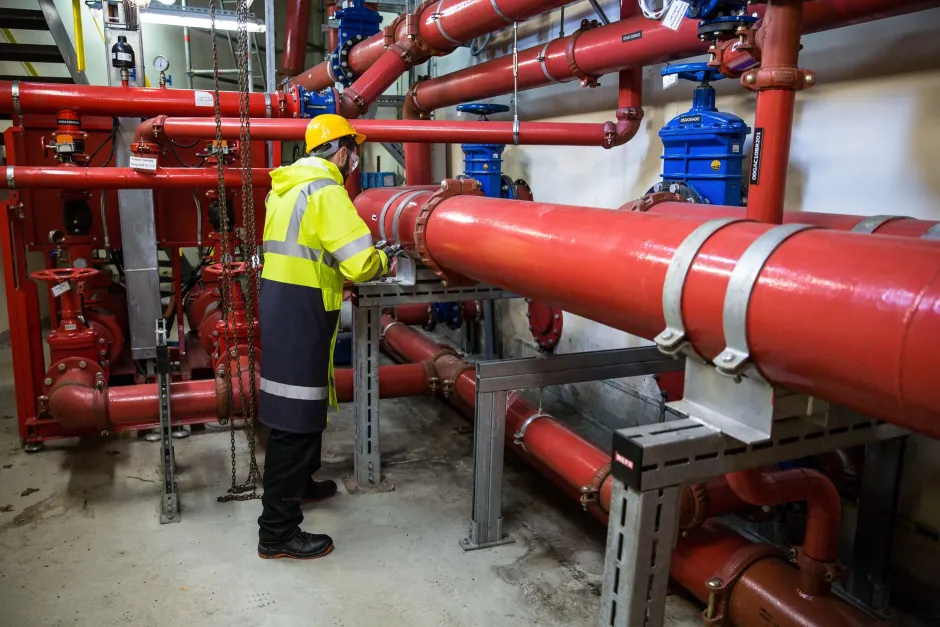
Licensed plumbers at the workshop
  • Anode and element checkedThe two things that actually fail here
  • Base and levels checkedOn soil that moves, worth the two minutes
  • Same-day changeoversAcross Caringbah and the Shire
  • Licensed plumberNSW Licence 368473C, fully insured

Service van on its way to a Caringbah job

Tank sitting out of level?

That usually means the ground under the pad has lost volume. Worth understanding why before a new unit goes on top of it.

Local hot water guide

Hot water in Caringbah, and the ground it stands on

Soft water means anodes, not scale

Sydney's supply is soft, so limescale rarely finishes a unit here. The sacrificial anode corrodes instead of the tank, which is precisely its purpose.

Once it is consumed the tank starts corroding. Replacing an anode on schedule is cheap and buys years. Almost nobody does it, which is why tanks split.

The pad is standing on sand

Units here sit outdoors on a small slab or pad, and the soil is permeable sand over a seasonally high water table.

For part of the year that base can be in genuinely damp ground. Steel tanks do not appreciate it, and the corrosion starts at the bottom where nobody is looking.

Settling shows up as a lean

Where sand beneath a pad has moved, the pad follows it down at one corner and the unit ends up out of level.

That stresses the connections and stops the tank draining properly from its drain point. It is also a useful clue that water has been moving ground nearby.

Getting the tank off the ground solves several things at once

A continuous flow unit mounts on the wall. No tank, no standing loss, no base sitting in seasonally wet sand, and a fraction of the footprint.

Where mains gas is available that is frequently the sensible answer here rather than replacing like for like on a pad that has already settled once.

Relocating means trenching sand

Moving a unit to a better spot means new lines, and a trench in sand will not hold its own walls, so it opens up wider than the pipework needed.

Worth pricing against a wall-mounted unit before committing, because the excavation is usually the expensive half of the job rather than the plumbing.

Which system, and what the ground will take

Type and size decide most changeovers. Here there is a second question worth asking first: whether the unit is going back onto a pad that has already settled, and whether mains gas actually reaches your street, because around Caringbah that varies road by road.

Indicative service life. What you actually get depends on how hard it is worked, whether the anode was ever changed, and whether the base it stands on stayed level.
SystemHow it heatsTypical lifeSuits a Caringbah home when
Electric storageAn element heats a tank, often overnight on a controlled load tariff8 to 12 yearsThere is no mains gas to the street and the budget favours install cost over running cost
Gas storageA burner under a tank keeps a stored volume hot8 to 12 yearsMains gas reaches the property and there is room for a tank plus flue clearances
Continuous flowGas heats water on demand, nothing is stored15 to 20 yearsThere is gas and wall space, and getting the tank off seasonally damp ground is worth doing
Heat pumpMoves heat from the air into the tank rather than making it10 to 15 yearsThere is no gas, there is airflow, and the compressor noise does not sit under a bedroom window
Solar with boostRoof collectors, with an element or burner covering the gap15 to 20 yearsThe roof has the orientation and the space, and the upfront budget is there

Sizing it for the household

A starting point rather than a rule. Storage size is about how much you can draw before it runs out, so the number that matters is how many people want hot water inside the same hour rather than how many live there.

Continuous flow is rated in litres per minute instead of capacity, because it stores nothing and therefore never runs out partway through.
People in the houseElectric storageGas storageContinuous flow
1 to 2125 to 160 L90 to 135 L16 L/min
3 to 4250 to 315 L135 to 170 L20 L/min
5 or more315 to 400 L170 L or twin26 L/min
Two bathrooms at onceSize up a stepSize up a step26 L/min, no wait

What hot water work costs in Caringbah

Fixed price agreed before we start. These are indicative 2026 ranges. Checking and levelling the base is included on any replacement, because a new tank on settled ground is not a fix.

01

Diagnose and repair $250 – $650

Element, thermostat, valve or anode. Often the whole job on a newer unit.

02

Electric storage replacement $1,400 – $2,800

Like for like in the same position, old unit removed and disposed of.

03

Continuous flow $1,900 – $3,500

Wall mounted and off the ground entirely. Needs mains gas available.

04

Heat pump from $3,200

Before rebate. The efficient answer where there is no gas to the property.

05

Base check and levelling included

On any replacement. A new tank does not go onto ground that has moved.

Hot water systems we service and replace

Electric storage is still what most of the older brick homes here were built around, and continuous flow is what most of them move to. These are the makes behind both.

We service and replace these systems as an independent licensed plumber. We are not an agent for, or endorsed by, any of these manufacturers.

How a hot water call-out runs.

Step 01
Booking a hot water call-out in Caringbah

We ask its age and where it sits

Those two answers decide most of it: whether repair makes sense, and whether the ground is part of the problem.

Step 02
Diagnosing a hot water system at a Caringbah home

Diagnosed properly

Anode, element, thermostat and valve checked before anyone recommends replacing a tank that might have years left in it.

Step 03
Replacing a hot water system at a Caringbah property

Repaired or changed over

Same day wherever we can, with the base checked and levelled before a new unit goes anywhere near it.

Step 04
Completed hot water installation at a Caringbah home

Tested and left tidy

Run up to temperature, checked for leaks, and the old unit taken away.

No hot water today?

Tell us the age of the unit when you ring. On a newer tank this is very often a repair, and we would rather do that than sell you a replacement you do not need.

Call 1300 381 569
Licensed Caringbah plumber ready to take your call

Hot water questions.

What Caringbah locals ask us before booking a plumber.

Ask us yours Licensed plumbing van covering Caringbah and the surrounding suburbs
Is it worth repairing or should I replace it?

Age decides it more than the fault does. Under about eight years, repair is usually the right call and often a cheap one, because the common failures are a thermostat, an element or a sacrificial anode. Past twelve, you are spending money on a tank whose lining is near the end regardless. Between the two it comes down to what has failed and what the tank looks like when we open it up. We tell you which side of that line you are on before quoting.

Does Sydney water wreck hot water systems?

Not through scale, which surprises people who have moved from harder water areas. Sydney runs soft, so limescale is rarely what finishes a unit off here. What does is the sacrificial anode being consumed, which is exactly its job, and then the tank corroding once there is nothing left to protect it. An anode replaced on time is cheap and can add years. An anode nobody checked is why the tank eventually splits.

Does the ground under the unit matter?

More than most people would guess on this soil. These units generally sit outside on a small slab or a pad against the wall, and the ground here is sand with a water table that rises seasonally. That means the base of a unit can stand in damp ground for part of the year, which is hard on the bottom of a steel tank. It also means a pad can settle if sand has moved beneath it, and a tank standing out of level is a tank draining unevenly.

My unit is leaning slightly. Is that a problem?

It is worth looking at rather than ignoring. A pad that has settled at one corner usually means the ground beneath it has lost volume, which on this soil often traces back to water moving sand around. The lean itself stresses the connections and stops the tank draining properly from the drain point. We would want to know why the ground moved before simply packing the pad level and walking away.

Can I move the unit somewhere better?

Usually, though it is worth understanding what it involves here before deciding. Relocating means running new lines, and running lines through sand means a trench that will not hold its own walls, so the excavation ends up wider than the pipework needed. Often the better answer is a continuous flow unit on the wall, which gets the tank off the ground entirely and takes up a fraction of the space. We price both.

Which system suits a house around here?

For most Caringbah homes on mains gas, continuous flow is hard to beat: no tank, no standing loss, and it comes off the ground. Where there is no gas, a heat pump is the efficient choice and government rebates usually apply. Straight electric storage remains the cheapest to install and the most expensive to run. Solar works well on the roof orientations common here but needs the space and the budget.

What does hot water work cost in Caringbah?

Diagnosing and repairing an element, thermostat, valve or anode runs $250 to $650. Replacing electric storage in the same position is $1,400 to $2,800. Continuous flow is $1,900 to $3,500 installed. A heat pump starts around $3,200 before any rebate. Checking and levelling the base is included whenever we replace a unit, because putting a new tank onto ground that has moved is not a repair.

Licensed Caringbah plumber arriving with his tools

Get the hot water sorted in Caringbah

Let us know how old it is, whether it sits inside or outside, and whether the pad under it looks level. That last one matters more on this soil than people expect.

Fixed price agreed first, same-day changeover where we can, and the base checked before anything new goes on it.

1300 381 56924/7 emergency line
[email protected]Non-urgent enquiries
Servicing Caringbah & districtNSW Licence 368473C

Get a hot water quote

Online Now!·--:--

No obligation · Licensed & insured · Fixed price upfront

Call now